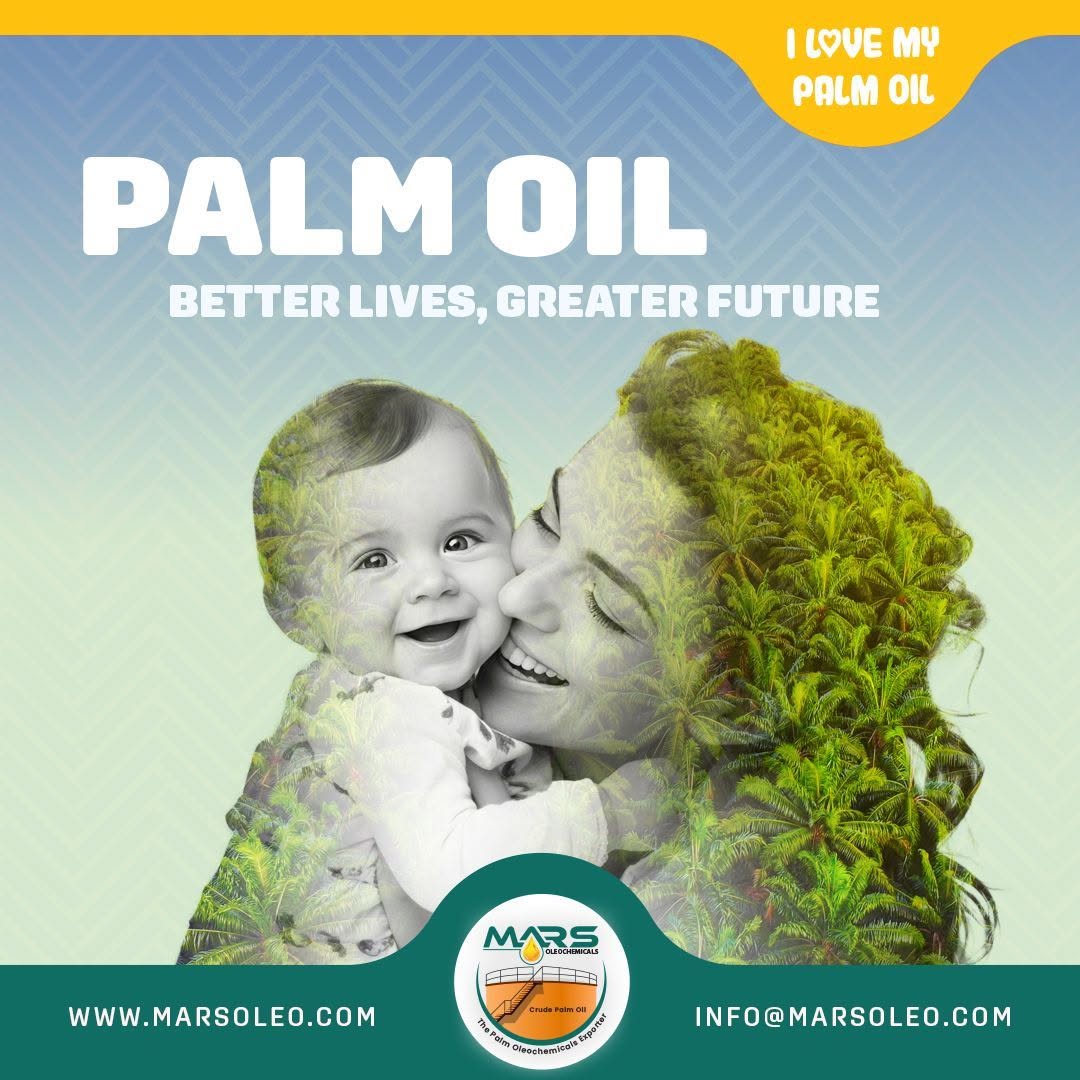
Palm oil is a highly versatile vegetable oil used directly and indirectly in many everyday products. Refined palm oil and its fractions are used in cooking oils, frying applications, margarine, shortening, bakery products and specialty fats. Palm-based feedstocks are also processed into oleochemicals used throughout soaps, detergents, personal care, cosmetics and industrial manufacturing. This wide range of applications makes palm oil important to both consumer and industrial supply chains.
The palm-oil value chain connects plantations, smallholders, harvesting operations, mills, processors, transport providers, traders, manufacturers and downstream businesses. Malaysia's sustainability framework specifically includes smallholders alongside larger estates and processing facilities, reflecting the broad participation of different economic actors within the industry. MSPO states that its framework aims to balance environmental sustainability, economic viability and social equity.

Palm oleochemicals and livelihoods while responsible production strengthens sustainability, traceability and communities.
A stronger future for palm oil depends on more than production volumes. Responsible development incorporates environmental management, fair labour practices, traceability, governance, conservation considerations and continual improvement. Malaysia's current MSPO 2.0 / MS 2530:2022 standard provides requirements across smallholders, plantations, mills, processing facilities and dealers, strengthening sustainability throughout the palm-oil supply chain.
Traceability allows palm-oil materials to be followed through different stages of the supply chain, helping improve transparency and accountability. Social responsibility is equally important because responsible production involves workers, smallholders and communities as well as environmental considerations. MSPO's current systems include traceability features, Social Impact Assessment requirements and sustainability certification processes intended to support evidence-based rather than purely promotional sustainability claims.
What is Malaysian palm oil used for? Malaysian palm oil is used in cooking oils, food products, specialty fats, soaps, detergents, cosmetics, personal care, oleochemicals and numerous industrial applications.
How does palm oil support livelihoods? The palm-oil value chain involves smallholders, plantations, mills, processors, logistics companies, traders, manufacturers and other businesses, creating economic activity across multiple stages of production and supply.
What does “Better Lives, Greater Future” mean for palm oil? For responsible palm-oil development, the phrase can represent economic opportunity, industry development, smallholder participation and improved sustainability practices rather than an unconditional claim about every palm-oil operation.
What is responsible palm oil production? Responsible production considers agricultural management, environmental protection, worker welfare, social impacts, governance, traceability and legal compliance alongside commercial production.
What is MSPO? MSPO means Malaysian Sustainable Palm Oil. It is Malaysia's national sustainability certification framework covering relevant participants across the palm-oil supply chain.
What is MSPO 2.0? MSPO 2.0 refers to MS 2530:2022, the revised Malaysian Sustainable Palm Oil standard covering smallholders, plantations, mills, processing facilities and dealers.
Why is traceability important for palm oil? Traceability helps identify where palm-oil materials originate and how they move through the supply chain, supporting greater transparency and accountability.
Does palm oil have applications beyond food? Yes. Palm-based materials are important feedstocks for fatty acids, fatty alcohols, glycerine, surfactants, soaps, detergents, cosmetics, lubricants and many other industrial products.
Is all Malaysian palm oil automatically sustainable or certified? Specific certification claims should be made only when the relevant supply, facility or product is covered by valid certification and supporting documentation.


Home :: Products :: Enquiry :: Contact Us :: Site Map
Copyright All Rights Reserved © 2025. Mars Oleochemicals :: Disclaimer :: Privacy Policy