


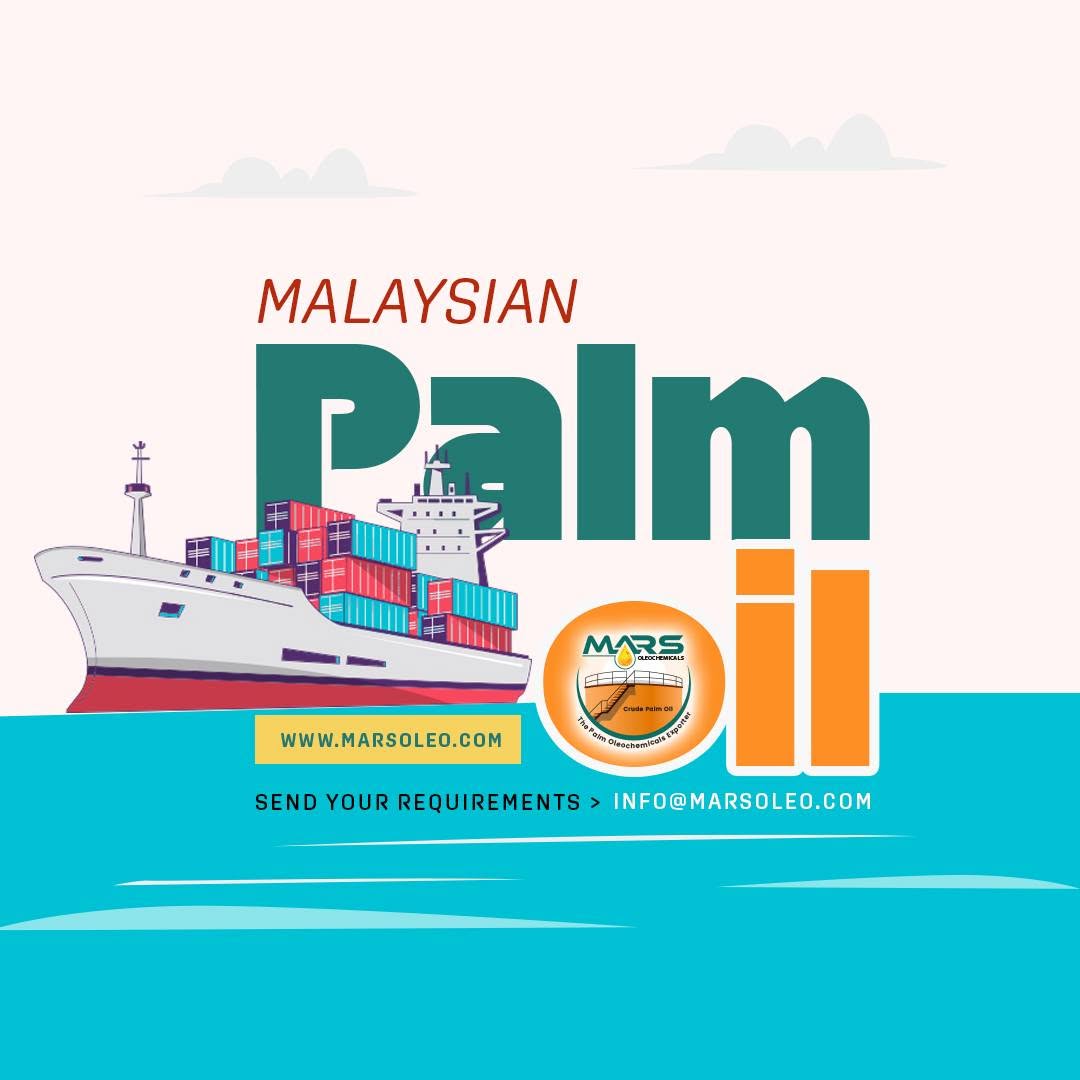
Malaysian Palm Oil Exports play an important role in the international vegetable oil industry by supplying crude and refined palm-based products to food manufacturers, oil refineries, industrial processors and commercial distributors. Malaysia has an established palm oil industry supported by plantations, milling facilities, refineries, storage infrastructure, transport providers and international shipping networks. The main commercial palm oil products include Crude Palm Oil (CPO), RBD Palm Oil, RBD Palm Olein and RBD Palm Stearin, each with different technical characteristics and manufacturing applications. Crude Palm Oil is commonly supplied for further refining, while refined palm oil and its fractions serve food manufacturing and suitable industrial processing requirements. International trade involves more than selecting a product; buyers and exporters must coordinate specifications, purchase quantities, shipping arrangements, regulatory obligations and quality documentation. Mars Oleochemicals Sdn. Bhd., a Malaysia-based palm oil and oleochemical exporter, supports international commercial enquiries for Malaysian palm oil and related palm-derived ingredients. Clear product identification and documented purchasing requirements help establish the basis for successful cross-border transactions.
The preparation of an international palm oil shipment begins with confirming the required product grade, contractual specifications and commercial terms. Crude Palm Oil is typically evaluated through Free Fatty Acid (FFA) content, moisture, impurities and other agreed parameters. Refined palm oil grades require different quality measurements, including relevant specifications for FFA, colour, iodine value and oxidation characteristics. RBD Palm Olein grades may be distinguished by cloud-point requirements, while RBD Palm Stearin is selected for its higher-melting characteristics. Buyers should review the appropriate Technical Data Sheet (TDS), Certificate of Analysis (COA) and agreed product specification before accepting the material. Packaging and logistics arrangements must also account for product properties, temperature behaviour, loading limits, food-contact suitability where applicable and cargo-handling conditions. Appropriate shipment planning can involve compatible tank systems, approved packaged cargo arrangements or bulk liquid transport facilities. The selected transport method should be evaluated against the product grade, shipment quantity, receiving infrastructure and destination requirements rather than assuming that one loading arrangement is suitable for every palm oil product.

Malaysian palm oil exporters coordinate product specifications, shipment records and customs requirements for international buyers.
Accurate documentation is a critical part of Malaysian palm oil export coordination. International commercial shipments generally require a Commercial Invoice, Packing List and transport document such as a Bill of Lading, together with relevant customs declarations and any additional certificates required for the transaction. Buyers may also request a Certificate of Analysis, Certificate of Origin, inspection documentation or specific product certifications. Under the international Harmonized System, palm oil and its fractions that have not been chemically modified are classified under HS Heading 1511. Crude Palm Oil falls under six-digit subheading 1511.10, while other palm oil and fractions are generally included under 1511.90, subject to more detailed national classifications. Exporters and importers should verify the correct tariff codes, applicable licensing requirements, customs procedures and destination-market regulations. Commercial delivery terms, including FOB, CFR, CIF and FCA where appropriate, establish different obligations concerning carriage, cost and risk. Consistency between commercial records, product descriptions, cargo quantities and shipping documents helps reduce avoidable declaration discrepancies and supports efficient customs processing.
Mars Oleochemicals Sdn. Bhd. supports international sourcing and export enquiries for Crude Palm Oil, RBD Palm Oil, RBD Palm Olein, RBD Palm Stearin and related palm-derived products. Its wider oleochemical portfolio includes refined glycerine, soap noodles, fatty acids, fatty alcohols and surfactants for manufacturers and industrial distributors. International palm oil buyers should specify the product grade, agreed technical parameters, required quantity in metric tonnes, preferred packaging, destination port, shipment period, applicable Incoterm and documentation requirements before requesting a commercial quotation. Product origin, quality acceptance, sustainability certification and shipment arrangements should be verified according to the individual transaction. Where certified palm oil is requested, the relevant certification scope and supporting supply-chain records must be confirmed. Clearly defined commercial requirements support better communication between suppliers, buyers, freight forwarders and other participants in international trade. Businesses researching Malaysian Palm Oil Exporters, international palm oil procurement and palm-based product supply can visit our website at www.marsoleo.com For product requirements, technical documentation, commercial information and international export inquiries, please email us at info@marsoleo.com.
What palm oil products are commonly exported from Malaysia? Malaysia exports several palm oil products, including Crude Palm Oil (CPO), RBD Palm Oil, RBD Palm Olein and RBD Palm Stearin. These products serve different refining, food manufacturing and industrial applications. Mars Oleochemicals publishes these product categories within its commercial palm oil portfolio, with availability and specifications subject to individual enquiries.
What documents are required for international Malaysian palm oil shipments? Common documents include a Commercial Invoice, Packing List, Bill of Lading and applicable export customs declaration. Depending on the product and destination, buyers may also require a Certificate of Analysis, Certificate of Origin, inspection report or specific certification documents. The exact requirements depend on the transaction and destination-market regulations.
How can international buyers verify Malaysian palm oil shipment quality? Buyers should agree on the technical specification before shipment and review the relevant Technical Data Sheet and batch-specific Certificate of Analysis. Quality parameters may include FFA, moisture, impurities, iodine value, cloud point and other grade-dependent measurements. Independent inspection or laboratory testing may also be arranged where required.
Is all Malaysian palm oil exported with sustainability certification? No. Malaysian origin does not automatically establish certified sustainability. Buyers requesting certified palm oil should verify the applicable MSPO or RSPO certification, certificate validity, product scope and relevant chain-of-custody records. Sustainability requirements must be confirmed for the specific supplier, product and transaction.
How can international buyers enquire about Malaysian palm oil exports from Mars Oleochemicals? A commercial enquiry should include the required palm oil grade, technical specifications, quantity, packaging preference, destination port, shipment period and preferred delivery terms. Product availability, quality documentation and export arrangements are reviewed for each enquiry.










Home :: Products :: Enquiry :: Contact Us :: Site Map
Copyright All Rights Reserved © 2025. Mars Oleochemicals :: Disclaimer :: Privacy Policy


