


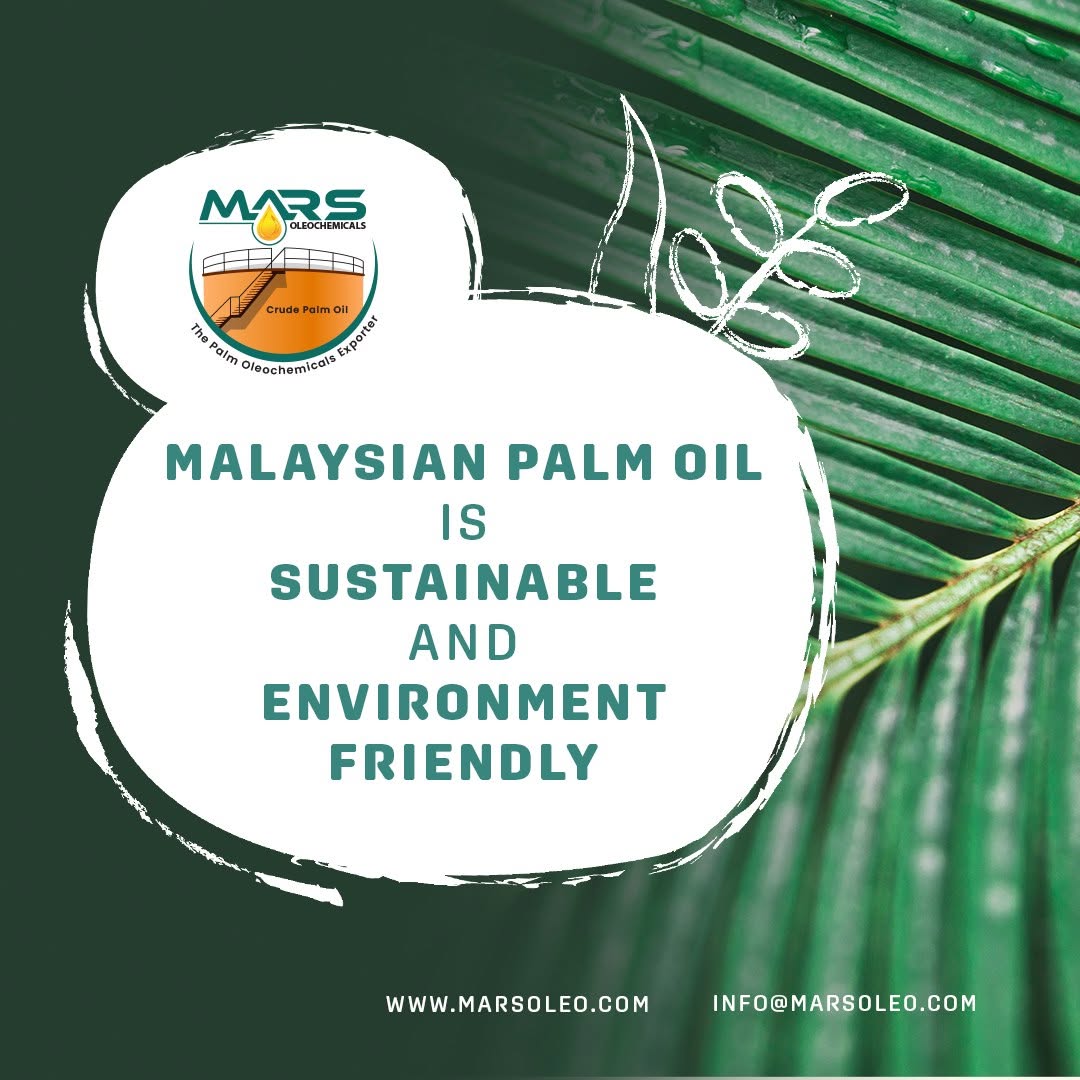
Malaysian palm oil is a versatile vegetable oil used in food manufacturing and as a feedstock for many palm-based oleochemicals. Sustainability, however, is not guaranteed by a product's origin or renewable feedstock alone. Responsible palm oil sourcing examines land-use practices, environmental management, worker welfare, legal requirements and the movement of material through the supply chain. For manufacturers and international importers, asking for credible evidence behind environmental claims is an important part of assessing suppliers and matching materials to procurement policies.
Malaysia's Malaysian Sustainable Palm Oil (MSPO) certification framework sets requirements for different parts of the palm oil value chain, including plantations, mills, processing facilities and dealers. The revised MS 2530:2022 framework, often called MSPO 2.0, addresses environmental, social, governance and supply-chain considerations. Buyers can review the to understand the relevant criteria. A general industry standard does not, on its own, establish that a particular company, shipment or finished product is certified; the certificate, scope, validity and chain-of-custody evidence must be checked.

Sustainable Malaysian palm oil sourcing, traceability, responsible production and transparent supply chain practices.
Meaningful sustainability evaluation includes traceability to the appropriate supply-chain stage, available certification records, documented purchasing controls and product-specific information. Importers may also ask how suppliers address forest conservation, emissions, labour safeguards and other requirements that apply to their destination market. Different certified supply models can carry different claims, so buyers should confirm whether the offered material and transaction documents support the requested designation. Clear evidence helps distinguish a verified sourcing claim from an unqualified statement that every palm oil product is environmentally friendly.
Mars Oleochemicals connects international buyers with Malaysian palm oil products and palm-derived oleochemical categories used across manufacturing. Its portfolio includes palm oil products, refined glycerine, fatty acids, fatty alcohols, soap noodles and surfactants, with grade suitability depending on technical specifications and end use. Buyers exploring a responsible sourcing programme can request the applicable product specification, quality documentation, available sustainability evidence, packaging information and export terms for the material under consideration. For product options, explore the palm oil product portfolio or contact info@marsoleo.com.
Is all Malaysian palm oil automatically sustainable? No. Sustainability depends on production practices, environmental and social safeguards, traceability and supporting evidence. Product origin alone does not establish certification or environmental performance.
What is MSPO certification? Malaysian Sustainable Palm Oil (MSPO) is Malaysia's national sustainability certification framework. Its standards address relevant plantation, mill, processing and trading operations along the palm oil supply chain.
How can buyers verify a sustainable palm oil claim? Ask for a valid certificate where applicable, confirm the certificate holder and product scope, and check transaction documents, traceability details and the declared supply-chain model.
Does MSPO cover palm oil processing facilities and dealers? Yes. The MS 2530:2022 framework includes standards for palm oil processing facilities and dealers, with requirements that depend on the operator's role and certification scope.
Which industries use Malaysian palm oil and palm-based oleochemicals? They support food processing, personal care, cosmetics, soap and detergent manufacturing, and selected industrial formulations. The correct material and grade depend on the intended application.




Home :: Products :: Enquiry :: Contact Us :: Site Map
Copyright All Rights Reserved © 2025. Mars Oleochemicals :: Disclaimer :: Privacy Policy


