


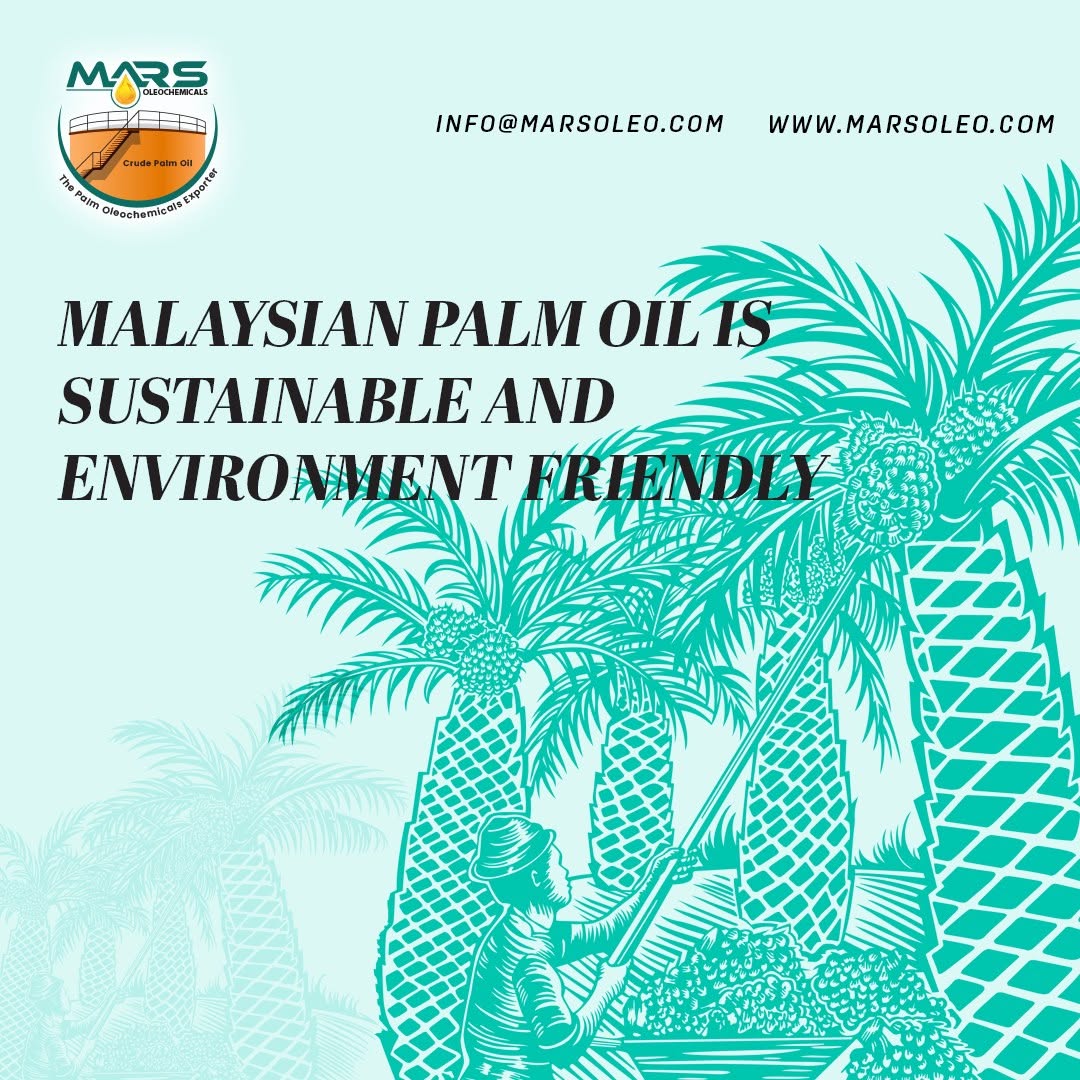
Malaysian Palm Oil is used across food, consumer and industrial value chains worldwide. Sustainability within the sector involves more than the finished oil itself; it can include responsible agricultural management, environmental controls, supply-chain traceability, certification and appropriate documentation from plantation through processing and distribution.
Where palm-oil products originate and how they move through the commercial supply chain. Sustainability certification systems can provide structured requirements covering areas such as management, environmental practices, social considerations and chain-of-custody controls. Claims should always reflect the certification status of the actual product and supply chain.

Malaysian palm oil can support responsible sourcing through certification, traceability, efficient land use and monitoring.
Oil palm cultivation and processing can incorporate Integrated Pest Management, soil and water-management practices, zero-burning approaches and utilization of suitable biomass by-products. Palm mills may also explore resource-recovery opportunities such as biomass utilization and biogas production where technically and commercially appropriate.
Mars Oleochemicals supports international commercial requirements for Malaysian Palm Oil and palm-based products. Buyers seeking sustainability-related supply can specify their certification, traceability, documentation, product-grade and destination requirements so availability can be evaluated against the requested commercial criteria.
Is Malaysian Palm Oil sustainable? Malaysian palm oil can be produced and supplied under sustainability standards and responsible-sourcing systems. Sustainability should be assessed against the specific certification, traceability and supply-chain practices involved.
What does sustainable Palm Oil mean? Sustainable Palm Oil generally refers to palm oil produced under systems addressing environmental, social, economic and supply-chain requirements.
What is responsible Palm Oil sourcing? Responsible sourcing involves evaluating product origin, supplier practices, certification, traceability, legal compliance and relevant environmental and social requirements.
What is Palm Oil traceability? Palm Oil traceability is the ability to track the product or feedstock through defined stages of the supply chain, such as supplier, refinery, mill or plantation.
What is MSPO? MSPO refers to the Malaysian Sustainable Palm Oil certification framework associated with sustainability requirements within Malaysia's palm oil sector.
What is Integrated Pest Management in oil palm plantations? Integrated Pest Management combines monitoring and multiple pest-control strategies to manage plantation pests while reducing unnecessary interventions.
Is Palm Oil a renewable raw material? Palm Oil comes from a perennial agricultural crop and is therefore a renewable biological feedstock. Renewable origin alone does not establish overall sustainability.
Can buyers request certified or traceable Palm Oil? Buyers can provide their required certification, traceability and documentation criteria so suitable supply options can be evaluated.
How can buyers contact Mars Oleochemicals? Commercial enquiries can be sent to info@marsoleo.com.



Home :: Products :: Enquiry :: Contact Us :: Site Map
Copyright All Rights Reserved © 2025. Mars Oleochemicals :: Disclaimer :: Privacy Policy


