


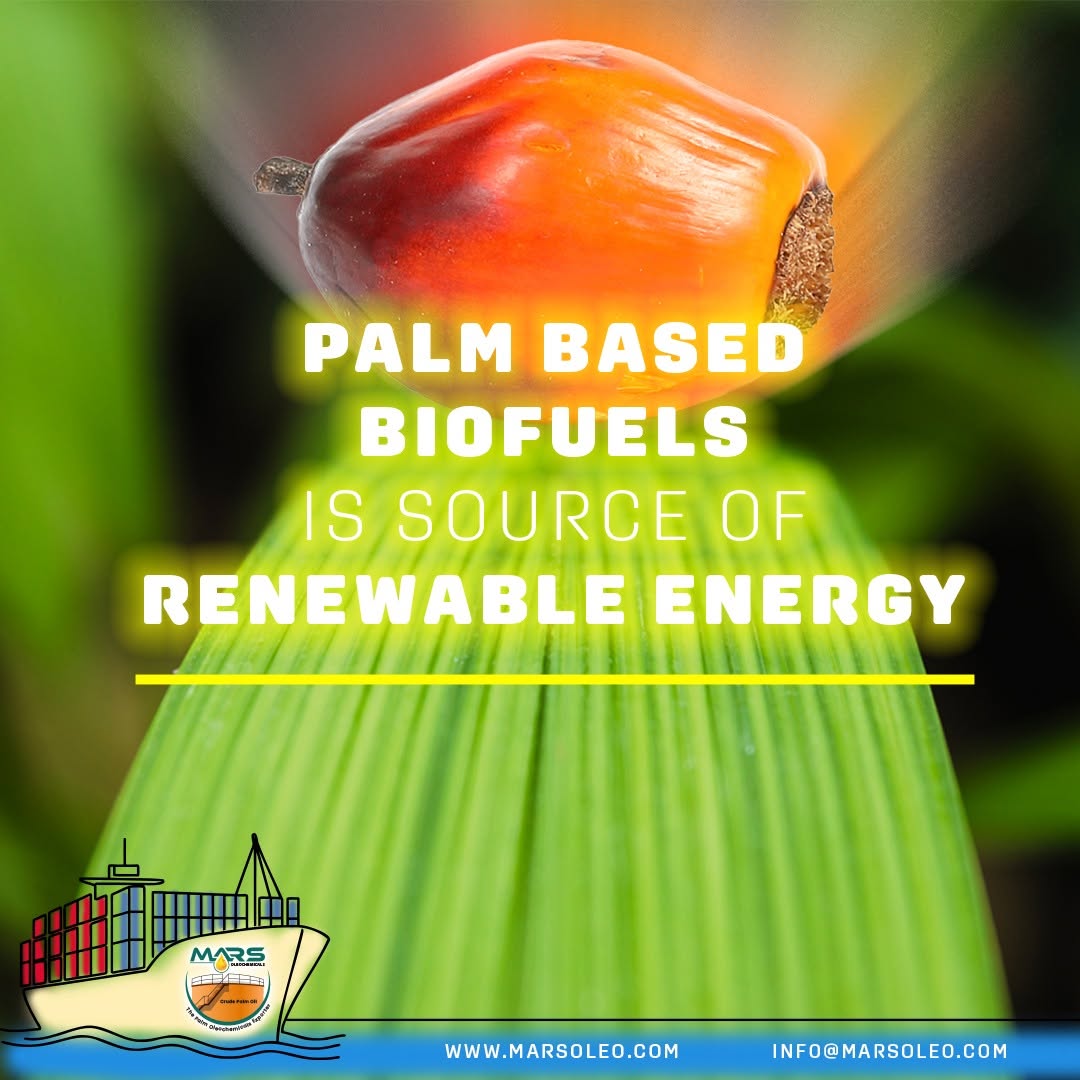
Palm-based biofuels provide a renewable alternative to petroleum-derived fuels by converting biological palm feedstocks into energy products. Malaysia has developed significant technical expertise in palm biodiesel, with MPOB carrying out research on biodiesel technologies, standards, bioenergy and advanced palm-based fuels.
Palm biodiesel is primarily produced as fatty acid methyl ester, commonly known in Malaysia as Palm Methyl Ester. Through transesterification, palm-derived triglycerides react with methanol to form methyl esters and glycerol. The resulting PME can be used as biodiesel or blended with conventional diesel.

Malaysian Palm Methyl Ester and biodiesel solutions for renewable transport and industrial-energy applications.
Palm biodiesel can be incorporated into diesel blends such as B5, B10 and B20, while B100 refers to pure biodiesel. Malaysia has established quality requirements for Palm Methyl Ester, and MPOB research continues to evaluate biodiesel performance in vehicles and other diesel applications.
Palm biodiesel is renewable, but its overall sustainability and climate performance depend on lifecycle factors including feedstock production, land use, mill operations, processing energy and supply-chain practices. International energy guidance therefore recommends transparent lifecycle carbon accounting and verified sustainability criteria when assessing biofuels.
What is palm biodiesel? Palm biodiesel is a renewable fuel produced by converting palm-derived oils into fatty acid methyl esters, commonly known as Palm Methyl Ester.
What is Palm Methyl Ester? Palm Methyl Ester or PME is the fatty acid methyl ester produced from palm-derived feedstocks and used as the biodiesel component in diesel fuel blends.
What does B10 biodiesel mean? B10 generally refers to a diesel fuel blend containing approximately 10 percent biodiesel and 90 percent petroleum diesel by volume.
Is palm biodiesel renewable? Yes. Palm biodiesel is derived from biological palm feedstocks that can be renewed through agricultural production.
Is every renewable biofuel automatically sustainable? No. Sustainability also depends on lifecycle greenhouse gas emissions, land use, agricultural practices, processing and responsible supply-chain management.













Home :: Products :: Enquiry :: Contact Us :: Site Map
Copyright All Rights Reserved © 2025. Mars Oleochemicals :: Disclaimer :: Privacy Policy


