


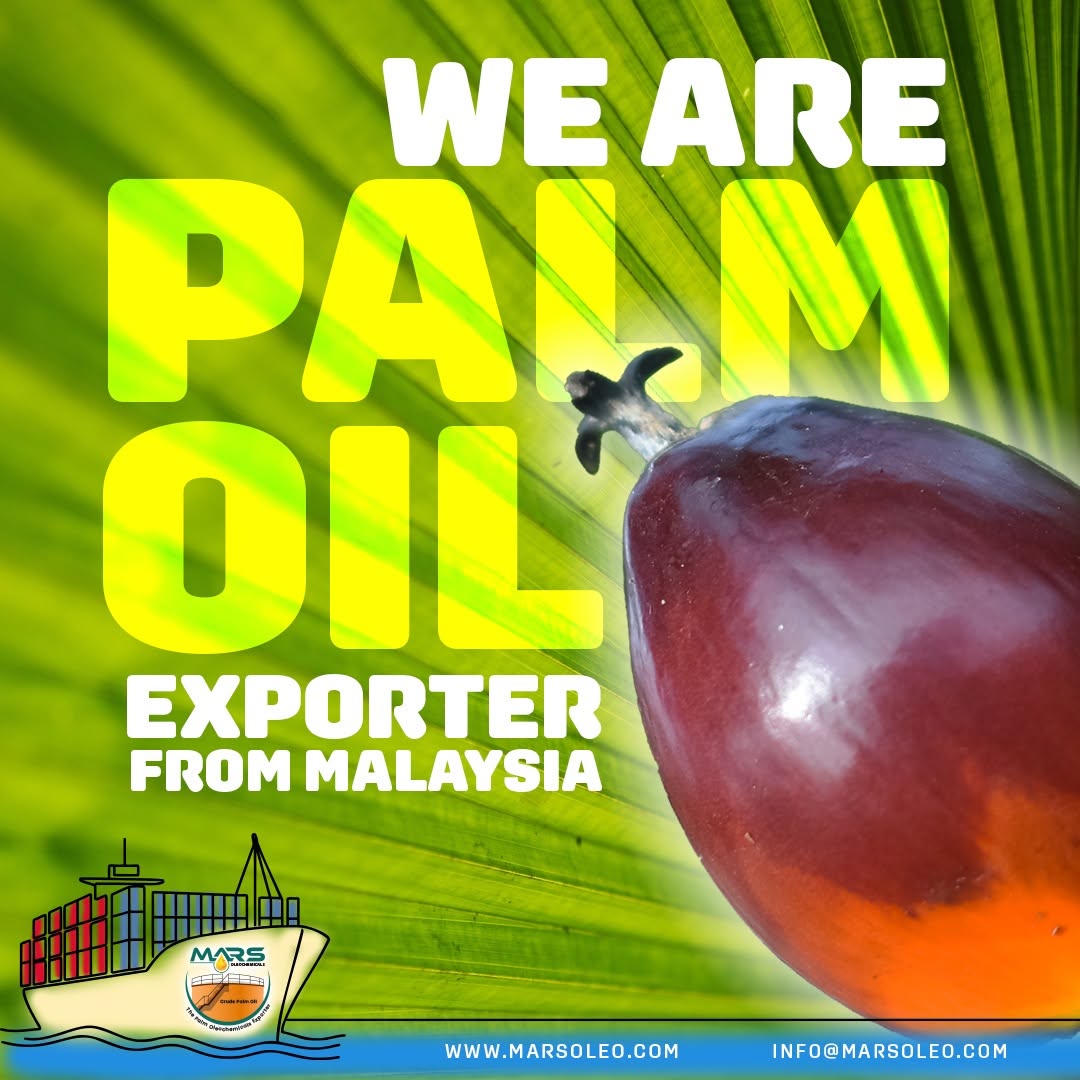
A successful Malaysian palm oil export inquiry begins with a precise product requirement. Buyers should distinguish between products such as Crude Palm Oil and processed or refined palm oil rather than requesting only “palm oil.” Important commercial details can include required specification, quantity, destination, packing method, shipment schedule and intended application.
Packing and logistics should be defined before commercial terms are finalised. Depending on the product, quantity and buyer requirements, shipments may use appropriate bulk or containerised solutions. Buyers should communicate the destination port, required quantity, preferred shipment basis and any destination-specific handling requirements early in the inquiry. Malaysia has established palm oil export infrastructure, Port Klang handled about 3.25 million tonnes of palm oil exports and Pasir Gudang about 2.45 million tonnes, alongside substantial volumes through Sabah, Sarawak and other ports.

Malaysian palm oil exports require product specifications, compliant documentation, suitable packing, and coordinated logistics planning.
Malaysia regulates palm-sector activities through the Malaysian Palm Oil Board. MPOB's Licensing Unit handles licensing for the exportation of oil palm products as well as issuance of export permits, while the PX exporter category covers activities including exports of palm oil, palm fatty acids and palm oleochemicals. Exporter conditions also include reporting requirements associated with individual export transactions. Because regulatory procedures can change, exporters and buyers should confirm the latest MPOB, customs and destination-country requirements before shipment.
A detailed inquiry allows the exporter to evaluate availability, packing, freight and documentation more efficiently. Commercial buyers should normally identify the exact product, specification, volume, delivery destination, packing preference and shipment timing, together with any required quality documents or destination-market certificates. Documents such as a current specification or TDS, SDS and batch COA can help buyers evaluate the material, while commercial and shipping documents should be agreed according to the transaction, Incoterm and destination requirements. This approach creates a more useful sourcing process than simply requesting a generic palm oil price.
What information should a buyer provide when requesting Malaysian palm oil? A useful inquiry should identify the exact product or grade, required specification, quantity, destination, packing preference and shipment timing. Providing these details allows an exporter to prepare a more accurate commercial and logistics proposal.
Which MPOB licence category covers palm oil exporters? MPOB uses the PX exporter category for licensed export activities involving oil palm products, including palm oil, palm fatty acids and palm oleochemicals. Current licensing and permit requirements should always be confirmed directly with MPOB.
Which Malaysian ports handle significant palm oil exports? Major export channels include Port Klang and Pasir Gudang, together with Lahad Datu, Sandakan and other terminals.
What quality documents should a palm oil buyer request? Depending on the product and transaction, buyers commonly review a product specification or TDS, SDS and batch Certificate of Analysis. Additional documents should be agreed according to destination-country requirements and contractual terms.
How should a buyer choose between crude and processed palm oil? The correct choice depends on the intended use and required specification. Buyers should define whether they require crude palm oil or a particular processed or refined palm product before requesting a quotation.








Home :: Products :: Enquiry :: Contact Us :: Site Map
Copyright All Rights Reserved © 2025. Mars Oleochemicals :: Disclaimer :: Privacy Policy


