


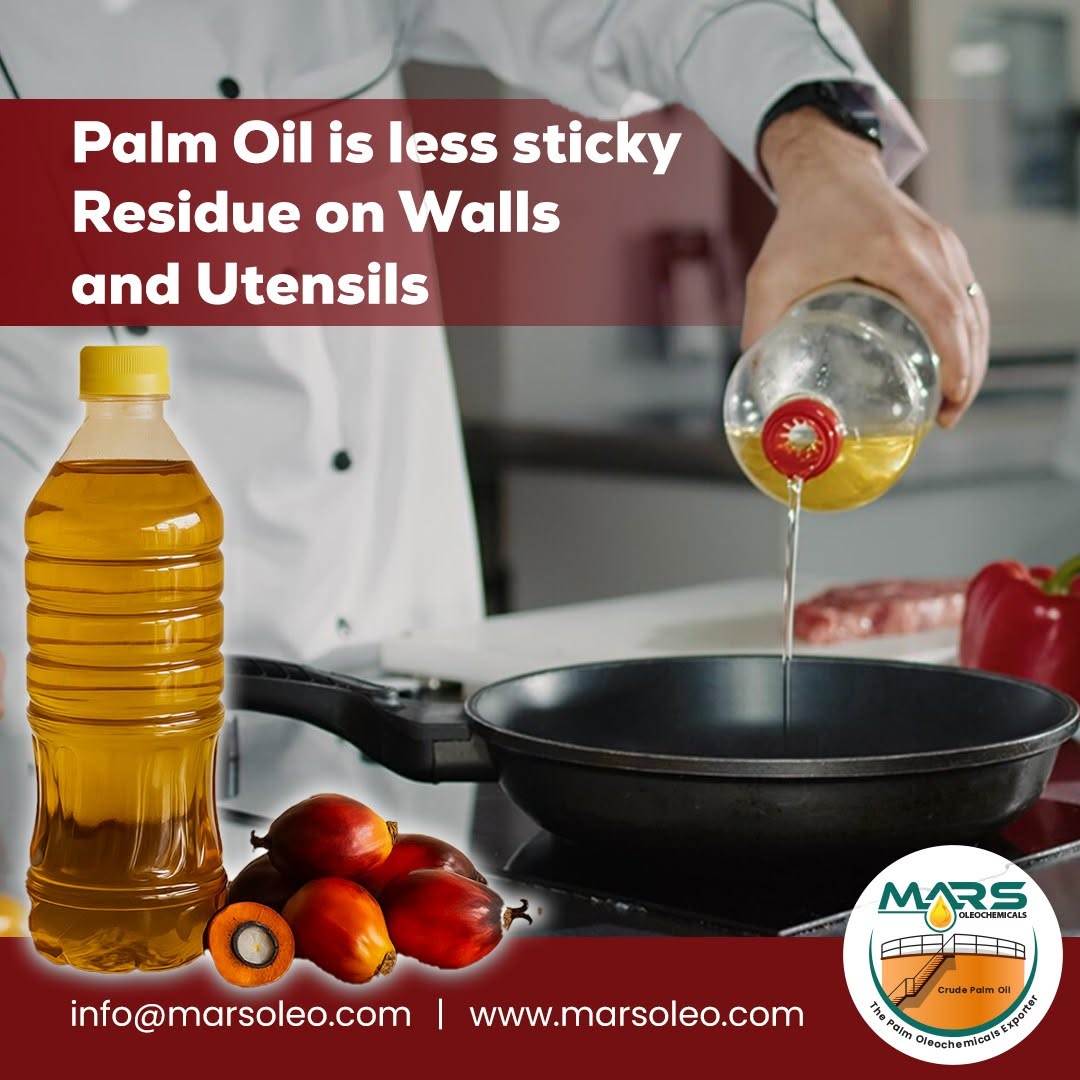
Palm oil is widely used in food preparation and food manufacturing, including frying, sautéing and other everyday cooking applications. It is valued by different users for its practicality, broad availability and suitability for multiple food uses when the correct grade is selected. In consumer and commercial kitchens alike, performance expectations often include handling ease, cooking consistency and manageable cleanup after use.
Cooking oils can behave differently depending on temperature, food moisture, pan conditions and the way the oil is used. Some users describe palm oil as a practical option for kitchen work because it can fit common frying and sautéing needs and may support a smoother cooking workflow. However, cleanup results and residue levels can vary, so any claim about less sticky residue should be understood as dependent on the cooking method and operating conditions rather than as a universal guarantee.

Palm oil cooking with practical frying performance versatile food use and easier cleanup.
Food-grade palm oil may be used by households, restaurants, food processors and other businesses that require a versatile edible oil. Buyers in these sectors normally evaluate the intended application, product specification, packaging format, quality documents and regulatory suitability before purchasing. A clear understanding of the required grade helps ensure that the selected product matches the cooking process or food production environment.
Mars Oleochemicals provides palm-based product options for buyers seeking Malaysian sourcing solutions. Companies exploring palm oil for food use can discuss product categories, application needs, export arrangements and supporting documentation with the supplier before confirming an order. This helps align practical kitchen or manufacturing requirements with commercial sourcing plans and product suitability.
Is palm oil suitable for everyday cooking? Palm oil is widely used in everyday cooking and food processing, with suitability depending on the product grade, intended use and local food requirements.
Why do some users prefer palm oil for frying and sautéing? Some users choose palm oil for frying or sautéing because it is versatile in food applications and can support practical kitchen handling, depending on the recipe and cooking method.
Does palm oil help reduce sticky kitchen residue? Kitchen residue can vary with temperature, cooking method, food type and oil handling. Some users describe palm oil as practical for cleanup, but results depend on how it is used.
Which industries use food-grade palm oil? Food-grade palm oil may be used by households, restaurants, bakeries, food processors and ingredient manufacturers, depending on the application and product specification.
What should buyers check when sourcing palm oil for food use? Buyers should review the product grade, food-use suitability, specification, packaging, quality documentation and any applicable export or sustainability requirements.













Home :: Products :: Enquiry :: Contact Us :: Site Map
Copyright All Rights Reserved © 2025. Mars Oleochemicals :: Disclaimer :: Privacy Policy


