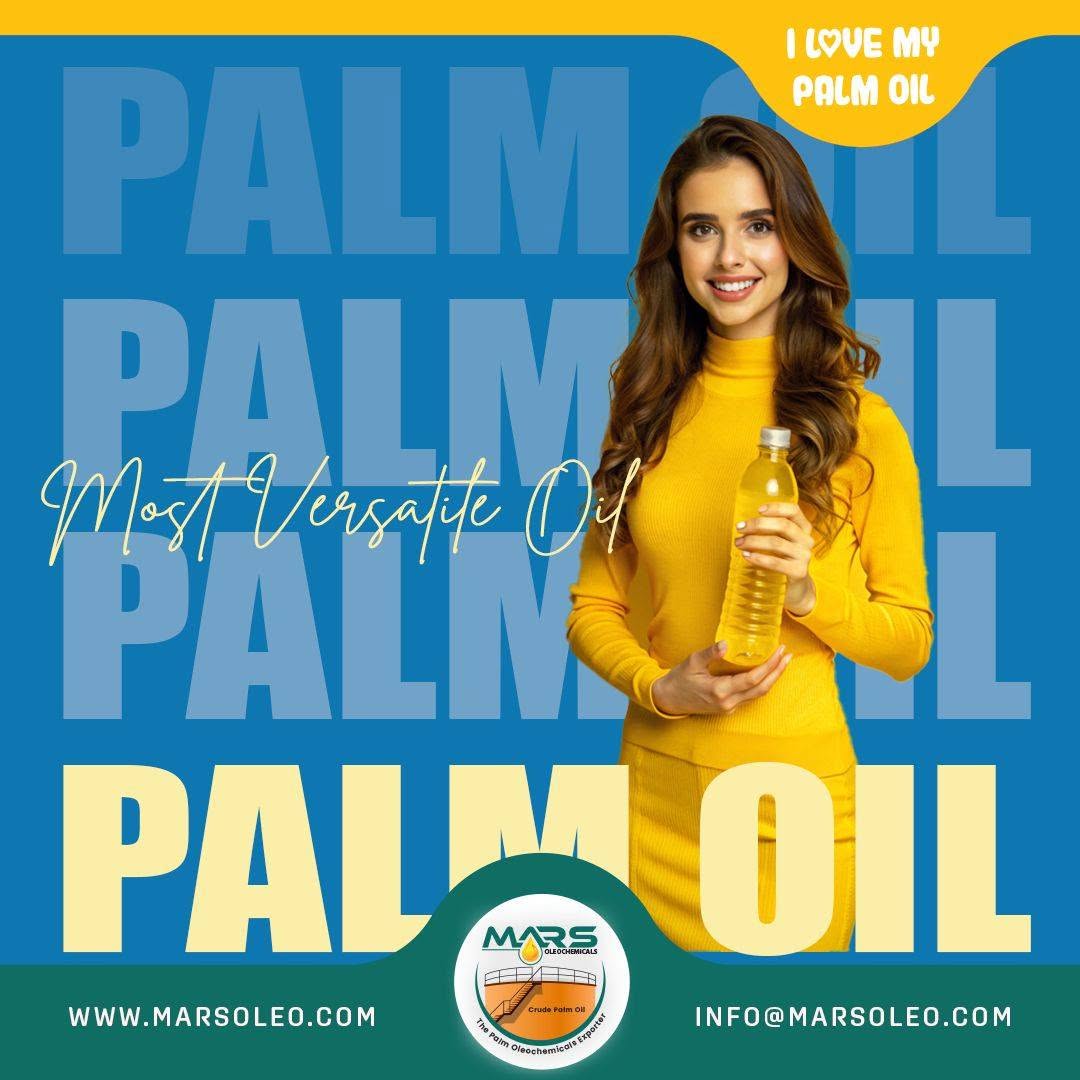
Palm oil is one of the most versatile vegetable-oil feedstocks used in modern manufacturing. Depending on its grade and fraction, it can function as a liquid cooking oil, semi-solid fat or structured-fat ingredient. Refining, fractionation and further processing allow manufacturers to select palm-based materials according to specific melting behaviour, texture, stability and processing requirements.
Food manufacturers use palm oil and its fractions in cooking oils, commercial frying, bakery fats, margarine, shortening, confectionery, instant noodles, snacks, cream fillings and processed foods. Palm Olein provides a more liquid fraction suitable for cooking and frying, while Palm Stearin offers harder-fat characteristics useful in structured products. This flexibility enables palm-based ingredients to serve many different food-processing requirements.

Malaysian palm oil provides flexible functionality across edible oils, specialty fats, personal care, oleochemicals and manufacturing.
Palm-derived oleochemicals are important raw materials for cosmetics and personal-care manufacturing. Fatty acids, fatty alcohols, glycerine, surfactants and esters can be incorporated into creams, lotions, shampoos, body washes, soaps, cleansing products and other formulations. The suitability of a specific palm-derived ingredient depends on its technical grade, specification and formulation requirements.
Palm-based materials extend far beyond edible oils. Oleochemical processing creates ingredients used in soaps, detergents, rubber, plastics, lubricants, coatings, textiles and other industrial systems. Mars Oleochemicals' current portfolio includes refined glycerine, soap noodles, fatty acids, fatty alcohols, surfactants, esters, stearic acid and palm-oil products serving international manufacturing markets.
Why is palm oil considered versatile? Palm oil is versatile because different grades and fractions provide liquid, semi-solid and harder-fat properties suitable for many food and industrial manufacturing processes.
What are the most common uses of palm oil? Major uses include cooking oils, frying, bakery products, margarine, shortening, confectionery, soaps, detergents, cosmetics, personal care and oleochemical manufacturing.
What is RBD Palm Oil? RBD Palm Oil means Refined, Bleached and Deodorized Palm Oil, a refined palm-oil grade used across food and industrial applications.
What is Palm Olein used for? Palm Olein is the more liquid fraction of palm oil and is widely used in cooking and commercial frying applications.
What is Palm Stearin used for? Palm Stearin is the harder fraction of palm oil and is used where greater solid-fat structure is required, including selected margarine, shortening and specialty-fat formulations.
Is palm oil used in cosmetics? Yes. Palm-derived fatty acids, fatty alcohols, glycerine, surfactants and esters can be used in cosmetics, skin care, shampoo, cleansing products and other personal-care formulations.
Is palm oil used to make soap? Yes. Palm-based raw materials are widely used in soap noodles, bar soaps, liquid cleansers, detergents and surfactant systems.
What are palm oleochemicals? Palm oleochemicals are processed ingredients derived from palm-based feedstocks, including fatty acids, fatty alcohols, glycerine, surfactants, esters and related derivatives.
Is palm oil automatically a sustainable choice? No. Sustainability depends on how palm oil is produced, processed and supplied, including environmental and social practices, governance, traceability and applicable certification. Certification claims should be supported by valid documentation.








Home :: Products :: Enquiry :: Contact Us :: Site Map
Copyright All Rights Reserved © 2025. Mars Oleochemicals :: Disclaimer :: Privacy Policy